
QUINN LABS · COMMERCIAL VEHICLE FUTURES LAB
Build the electric van you wish existed.
Commercial vehicles are usually offered as fixed compromises.
More battery can mean less payload. More space can mean more vehicle than the job requires. Published range rarely describes a winter motorway shift with a working load.
Van Studio starts somewhere else:
What does the job actually need?
Not vehicles for sale. Requirements made visible.
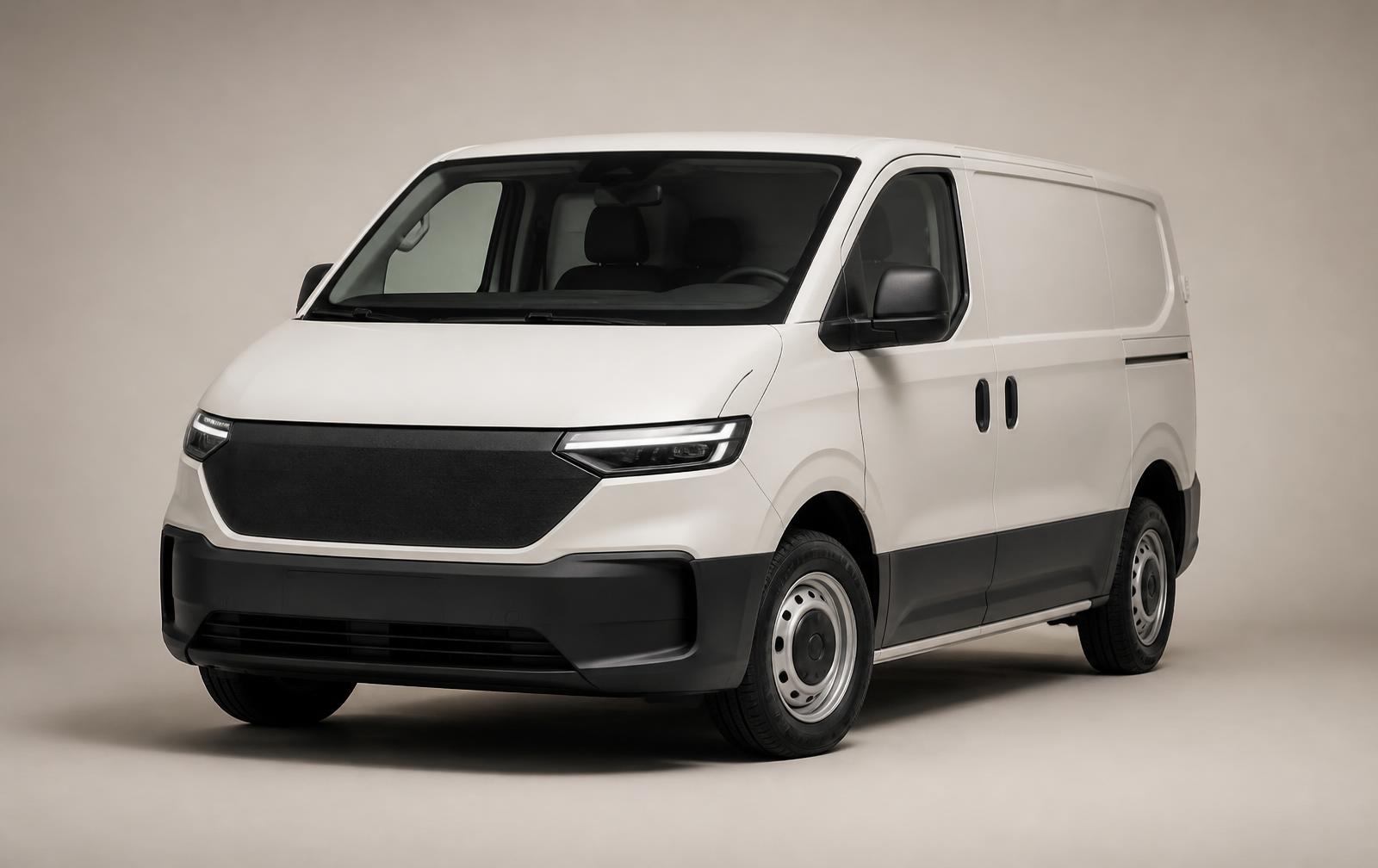
Van Studio contains independent Quinn Labs concept studies. Vehicles shown are not for sale and have not been engineered, tested, homologated or approved by any manufacturer.
QL-VAN 644 · Requirement study
1/6
Step 1 of 6 · The job
What must this van do?
Nothing here is required. Answer what you know about the work and leave the rest.
Primary mission
Is the load…
People in the vehicle
Towing
Stops in a typical day
Target payload not set · Target range not set
The battery is part of the payload problem.
An electric van is not useful because it carries the largest possible battery. It is useful when its energy, mass, volume, charging pattern and carrying capacity match the work.
01
Vehicle footprint
Competes with every other item on this list for the same mass, space and money.
02
Battery requirement
Competes with every other item on this list for the same mass, space and money.
03
Target range
Competes with every other item on this list for the same mass, space and money.
04
Payload
Competes with every other item on this list for the same mass, space and money.
05
Body conversion
Competes with every other item on this list for the same mass, space and money.
06
Passengers and equipment
Competes with every other item on this list for the same mass, space and money.
When a requirement is ambitious, Van Studio does not reject it.
It names which requirements are competing, then asks:
- Could depot charging reduce the battery requirement?
- Could a lighter specialist body preserve payload?
- Is the maximum range required every day?
- Could a modular or alternative energy strategy help?
- Would a different licence or gross vehicle weight category change the opportunity?
These are open questions. Quinn Labs does not present them as solved answers, and produces no calculated performance figures.
Concept Van Index
Vehicles people need but cannot necessarily buy.
A public catalogue of commercial-vehicle requirements — not a vehicle marketplace.
QL-VAN 001
The True One-Tonne SWB
Battery mass must not make the intended payload impossible.
Requirement study · Unverified
QL-VAN 002
The 250-Mile Regional Courier
A long motorway day in winter without a mid-shift charge the route cannot absorb.
Requirement study · Unverified
QL-VAN 003
The Low-Floor Service Van
A load floor low enough to work from all day without a battery pack underneath it.
Requirement study · Unverified
For manufacturers and vehicle engineers
Demand usually appears before the vehicle does.
Van Studio makes operational requirements visible before they become conventional product categories.
- Recurring payload gaps
- Range requirements by mission
- Underserved vehicle footprints
- Charging constraints
- Conversion requirements
- Features repeatedly improvised by operators
- Where customers accept compromise — and where they cannot
No manufacturer currently participates in Van Studio.
Describe the vehicle your operation is missing.
Fleet operators can use Van Studio to record a requirement before entering a procurement or vehicle-development conversation.
Create a fleet requirementAn organisation name is optional, and only asked for at the final stage. The public tool works without it.
From imagined vehicle to operational evidence.
Van Studio asks what vehicle should exist.
One Fleet investigates how vehicles are actually used.
Together, these could connect proposed vehicle specifications with real routes, loads, charging opportunities and working conditions.
Two separate Quinn Labs experiments with a clear relationship. They are not merged, and One Fleet is unchanged.
The perfect electric van may not exist.
Its requirement can.
Quinn Labs · Commercial Vehicle Futures Lab
Van Studio contains independent Quinn Labs concept studies. Vehicles shown are not for sale and have not been engineered, tested, homologated or approved by any manufacturer.